
![How Many Axles Are Found in a Car? [2024 Update]](https://autocheep.com/wp-content/uploads/2025/09/How-Many-Axles-Does-A-Car-Have-1024x576.jpg)

Understanding Car Axles: How Many Are There and What Do They Do?
Curious about how many axles are in a car? The answer is pretty simple: most passenger vehicles have two axles. But there’s more to the story when it comes to what axles really do and the different types out there.
What Are Axles On A Car?
An axle is basically a shaft that connects two wheels, allowing them to spin together. Think of it like the stick in a LEGO car that holds the wheels in place. Back in the day, these were used in carts and horse-drawn carriages.
In modern cars, axles are housed in a protective casing that helps support the vehicle’s weight. While the basic idea hasn’t changed, the technology has evolved, leading to different types of axles that enhance performance and handling.
Axle Terminology
When talking about axles, a few terms pop up frequently:
- Front axle: Connects the front wheels.
- Rear axle: Connects the rear wheels.
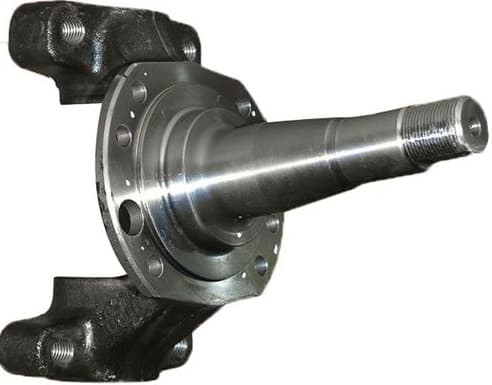
- Stub axle: Used for steering at the front wheels.
- Live axle: Transfers power to the wheels.
- Dead axle: Just connects the wheels without transferring power.
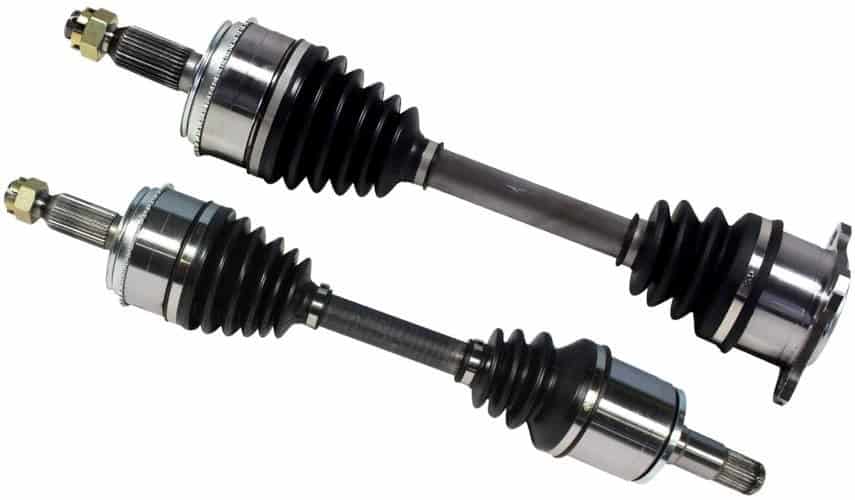
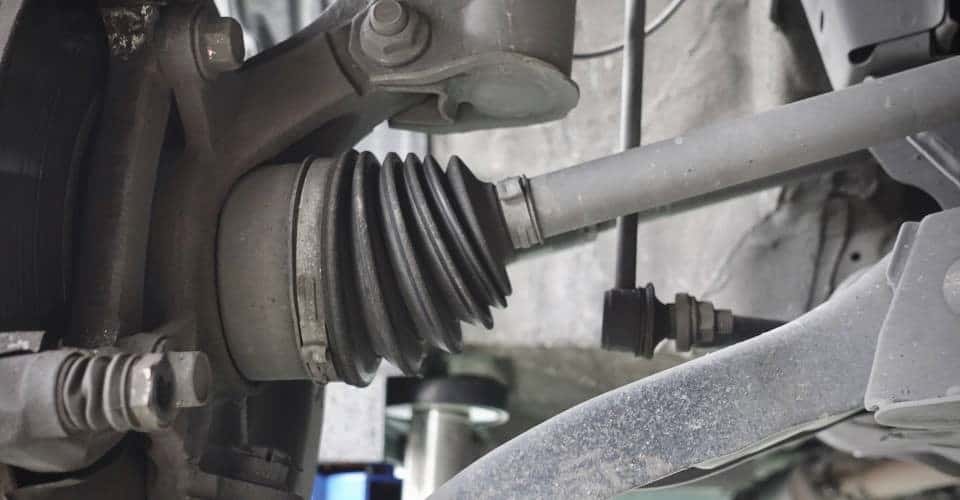
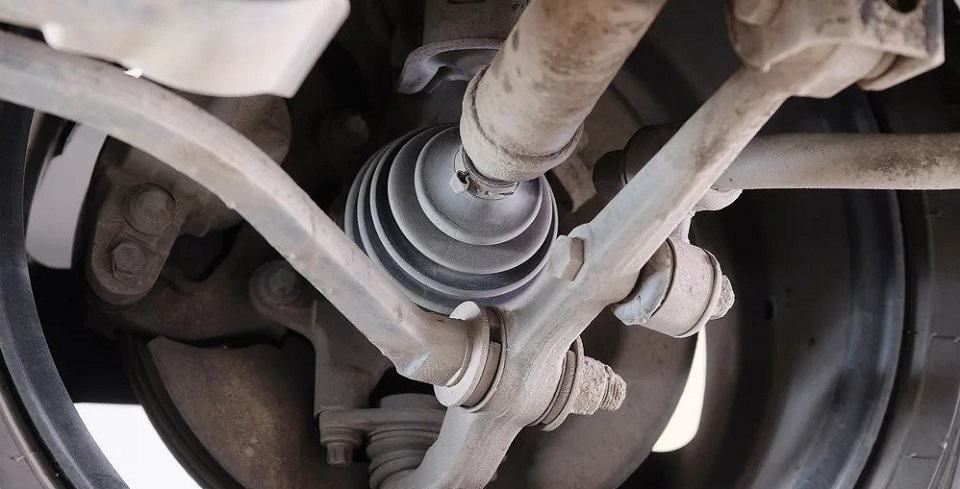
- CV axle: Short for Constant Velocity, the most common type of live axle.
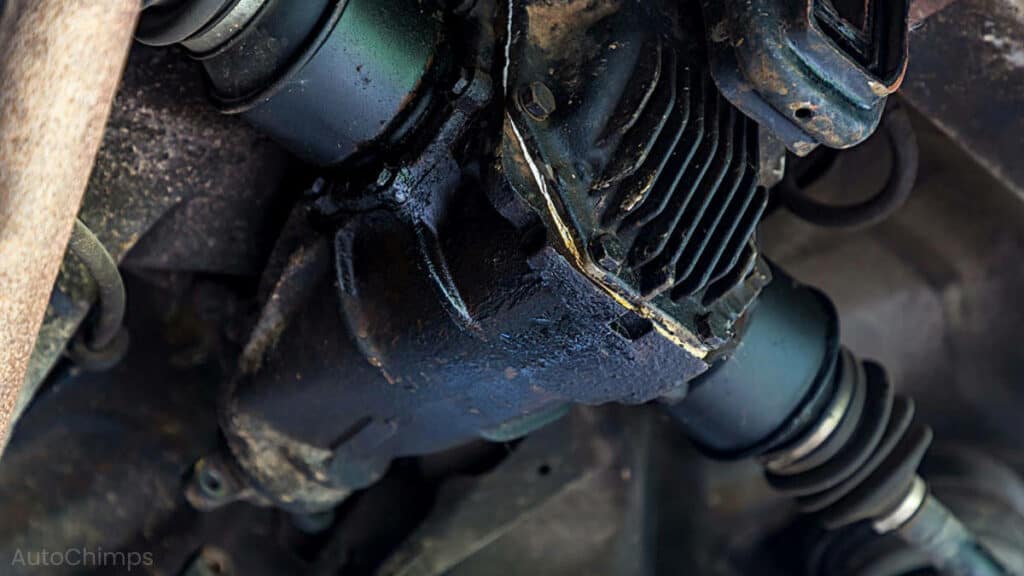
- Differential: Helps wheels rotate at different speeds, especially useful when turning.
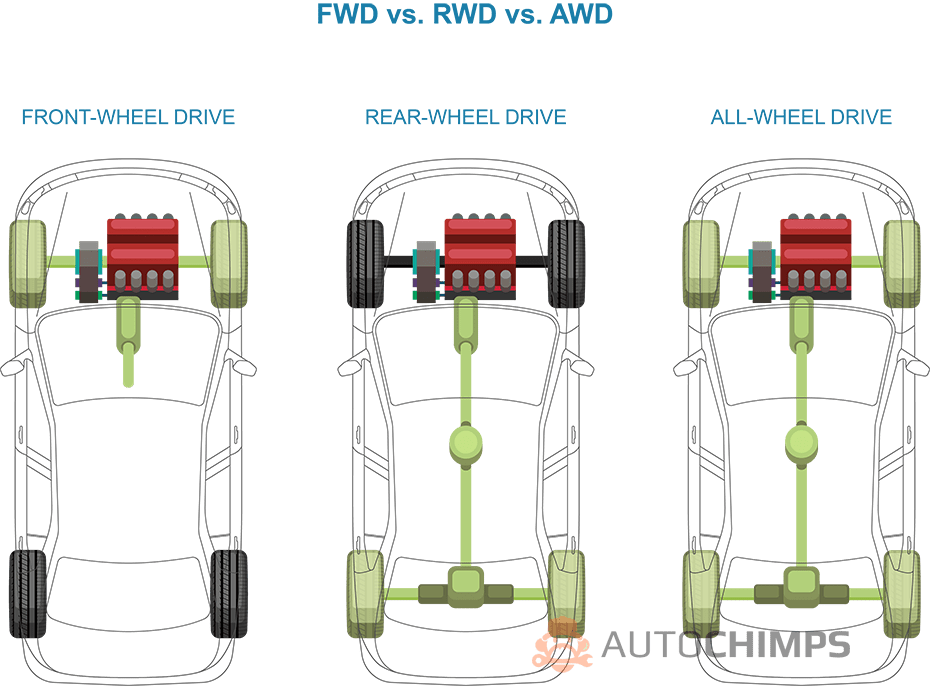
In a front-wheel-drive car, the front axle is live, while the rear is dead. The opposite is true for rear-wheel-drive vehicles. Four-wheel-drive rides have both axles working, but sometimes one can be switched off.
Live vs. Dead Axles
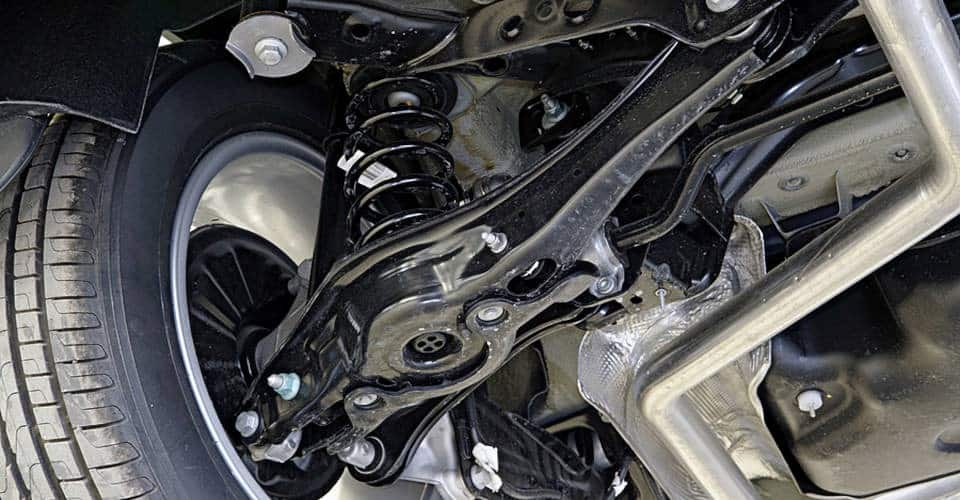
Every axle is either “live” or “dead.” Live axles send power from the transmission to the wheels, while dead axles just keep the wheels attached and help with steering.
Floating Axles Explained
Floating axles are common in cars, with semi-floating and three-quarter floating types being the most used. Bigger trucks and race cars might roll with fully-floating axles.
Semi-floating axles are one unit, connecting the shaft to the wheel hub. Three-quarter floating axles are a mix, where the wheel hub is attached but also rigidly fixed. Fully-floating axles are the heavyweights, allowing for better handling and power transfer without warping under pressure.
What Is a CV Axle?
A CV axle is what gets the wheels turning in the driven axles. Each one usually has two CV joints to help transfer power from the transmission. If the rubber boot on a CV joint tears, it can lead to grease leaks and dirt getting in, which can mess things up.
Stub Axles: The Basics
Stub axles connect directly to the wheels, allowing for steering. They’re hinged to the steering knuckle, making them crucial for maneuverability. There are different types of stub axles, but no need to dive deep into those right now.
How Many Axles Does a Car Have?
Most cars out there have four wheels on two axles. The exceptions are heavily modified rides or certain commercial vehicles. Just look at one side of a car—if there are two sets of wheels, that’s two axles.
Wrapping It Up
A typical front-wheel-drive car has two axles: one in the front and one in the back, technically made up of four half-axles. The live axle sends power to the wheels, while the inactive one helps with suspension.
If any weird sounds are coming from the wheels or there’s unusual tire wear, it might be time to check the axles. Getting it looked at sooner rather than later can save some serious cash down the road!